
 Technical Bulletins
The issue of joint separation is one that is often discussed and almost nearly as often misunderstood. This Technical Brief will discuss why joint separation occurs, how to mitigate it on future projects and how to repair joint filler separation.
It is important to establish the purpose of a semi rigid joint filler, and how it differs from a flexible joint sealant. First and foremost, the purpose of a joint filler is to protect the joint edges and adjacent slab surfaces. The material must be strong enough to support the loads moving over the joint without deflecting and causing joint damage. It is virtually impossible for a material to be both rigid enough to protect the joint and flexible enough to accommodate extreme lateral movement. Simply stated, joint separation is overwhelmingly the result of design and construction considerations, and not a failure of the Joint Filler material.
CONCRETE MOVEMENT
As newly placed concrete begins to cure, the slab will shrink as excess moisture evaporates through the slab surface. A good amount of this movement occurs during the first 90 days of curing. However, significant movement can still be expected during the first year and even due to thermal expansion. Temperature is a factor that must be considered as well. Warmer temperatures and higher humidity will cause the slab to expand and the joints to shrink, while colder temperatures will cause the slab to shrink and the joints to expand.
It has long been a convention in the industry to wait a minimum of 28 days after a slab has been placed to begin filling joints. As previously discussed in this Brief, concrete continues to experience significant movement in its first 90 days and on through the rest of the first year. Therefore, it is ideal to defer joint filling as long as possible.
The American Concrete Institute agrees. Section 11.10.1 of the ACI Guide to Concrete Floor and Slab Construction states:
Earlier filling will result in greater separation and will lead to the need for more substantial correction; this separation does not indicate a failure of the filler.
It is also very important that the slab be acclimated to its final operating temperature before filling joints. Joint Filler separation associated with slab shrinkage and the additional labor required to refill the open lines in the joint should be discussed in advance of any joint filling operation to determine the owners’ expectations and acceptance. When filling joints in a cold storage or freezer facility the joints should be filled while the room is at its final operating temperature. Filling joints before acclimating the slab to final operating temperature will result in greater joint separation. Please refer to Tech Bulletin 3: Cold Weather Material Handling for more information.
JOINT SEPARATION
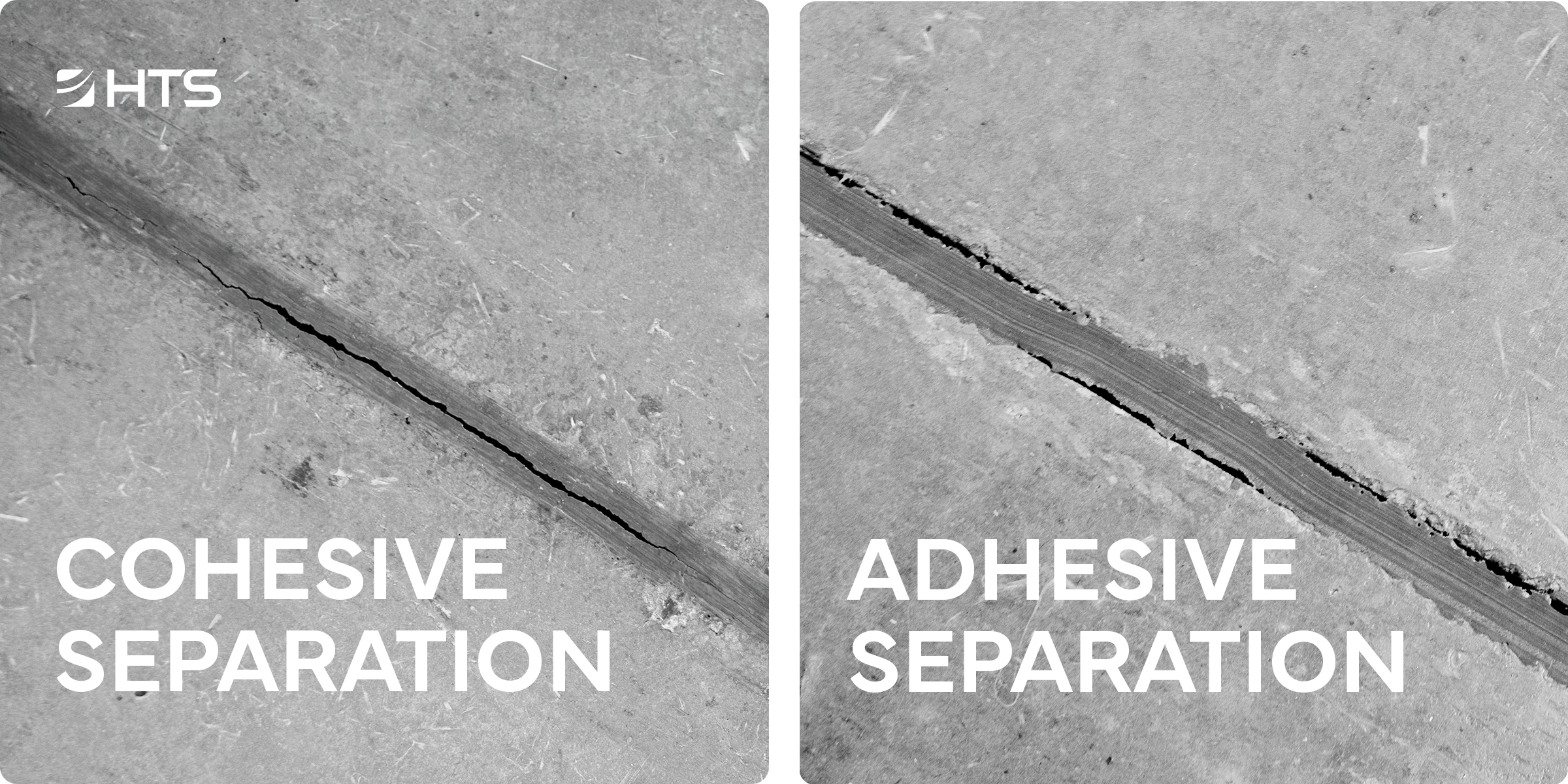
Joint separation can be classified as either cohesive or adhesive and you may see both types of separation on the same job. Cohesive separation occurs when the joint filler "splits" down the center of the joint itself, maintaining its bond with the concrete sidewalls. Adhesive separation occurs when the filler pulls away from one or both sidewalls.
REPAIRING JOINT SEPARATION
There are multiple methods to repair joint separation depending on the degree of separation. Minor separations (1/32" or less) do not necessarily need to be repaired, however they should be monitored for spalling and increased separation.
Option #1
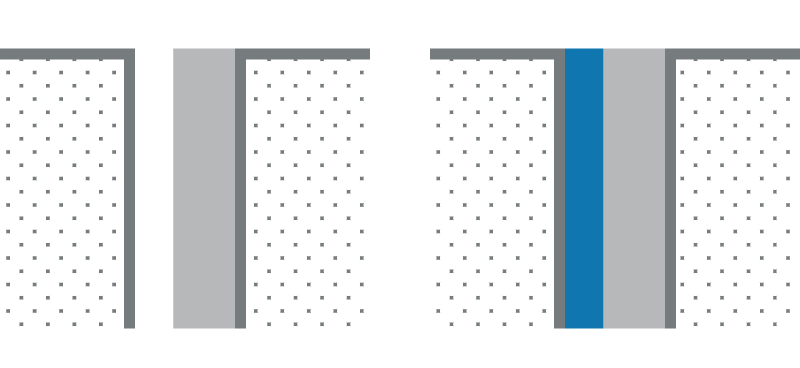 Blow or vacuum out the separation, fill with HTS PE-85 joint filler and shave flush after it has cured. This is generally speaking the fastest and easiest repair. However because of time and wear, the new joint filler may not completely match the original filler. If separations are narrow, joint filler may be warmed slightly to reduce viscosity and allow it to flow into the separation.
Option #2
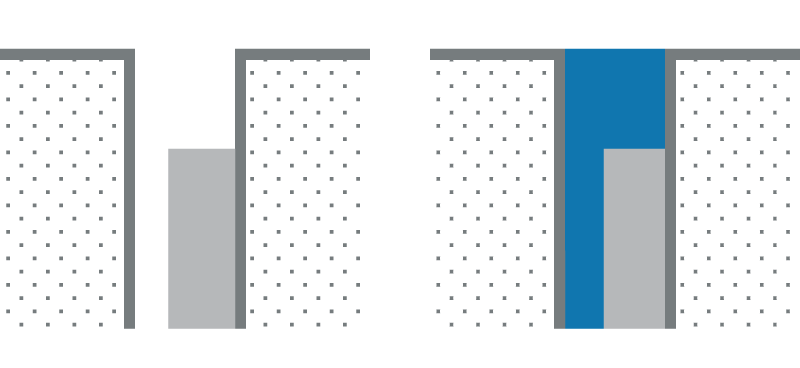 Mill out the top 1/4" of the joint filler using a dustless concrete saw, ensuring both sidewalls are free of old fillers. Then fill with HTS PE-85 joint filler and shave flush after it has cured. Please contact us for equipment and blade recommendations.
