Heavy-use Industrial Floors
Polyurea joint filling is a crucial process in maintaining and protecting concrete surfaces, particularly in industrial and commercial environments. This technique involves using polyurea, a highly durable and flexible material, to fill expansion and control joints in concrete slabs. The purpose of polyurea joint filling is to protect the joints from damage caused by heavy traffic, thermal expansion, and contraction, as well as to enhance the overall durability and longevity of the concrete surface.
Why Polyurea Joint Filling is Done
- Protection Against Heavy Traffic: In warehouses, factories, and other industrial settings, concrete floors are subjected to constant heavy traffic from forklifts, trucks, and other machinery. Without proper joint filling, the edges of the concrete joints can become damaged and lead to spalling, cracking, and other structural issues. Polyurea joint fillers provide a tough, resilient barrier that protects these joints from impact and abrasion.
- Thermal Expansion and Contraction: Concrete expands and contracts with temperature changes. These movements can cause joints to open and close, potentially leading to cracks and other forms of damage if not properly managed. Polyurea joint fillers have excellent flexibility, allowing them to accommodate these movements without losing their integrity.
- Moisture and Chemical Resistance: Polyurea is highly resistant to moisture and a wide range of chemicals, making it ideal for environments where spills and exposure to harsh substances are common. This resistance helps prevent the infiltration of harmful agents into the joints, thereby preserving the structural integrity of the concrete.
Equipment and Products Used in Polyurea Joint Filling
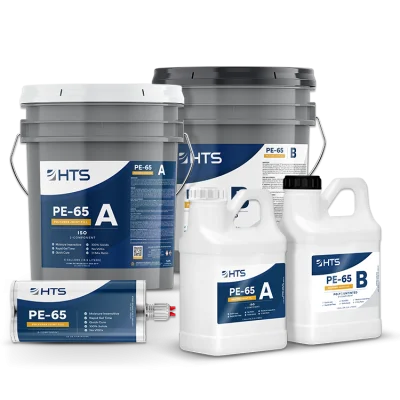
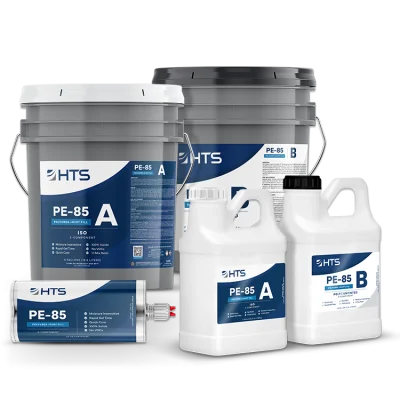
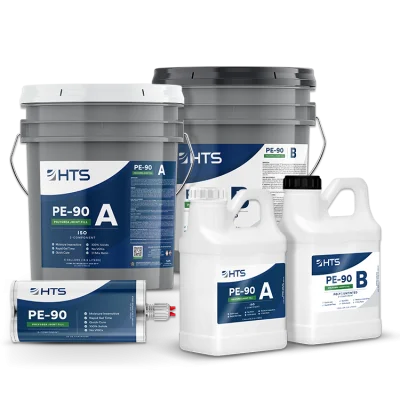
- Polyurea Joint Fillers: These are the primary materials used for filling joints. Products like HTS PE-85 are popular choices due to their Shore A hardness of 85, which provides an optimal balance of strength and flexibility. Polyurea joint fillers come in various formulations to suit different application needs and hardness levels, including rapid-setting options, freezer blends, and more.
- Joint Pumps and Applicators: Specialized equipment is used to apply polyurea joint fillers accurately and efficiently. Polyurea Joint Pumps like the HTS SB2024 and the HTS SBMini are designed for precise mixing and dispensing of polyurea materials. These pumps ensure consistent application, reducing waste and improving the quality of the fill.
- Surface Preparation Tools: Proper surface preparation is critical for effective joint filling. Tools like ride-on power shavers and clean-out saws are used to clean and prepare the joints before applying the filler. These tools help remove debris, dust, and old joint material, ensuring optimal adhesion of the polyurea.
- Mixing and Dispensing Systems: For large-scale projects, automated mixing and dispensing systems can be used to handle high volumes of polyurea. These systems provide precise control over the mixing ratios and flow rates, ensuring consistent quality throughout the application process.
Polyurea joint filling is an essential maintenance practice for protecting and extending the life of concrete surfaces in demanding environments. By using high-quality polyurea fillers and specialized application equipment, contractors can ensure that concrete joints remain durable, flexible, and resistant to damage from traffic, temperature changes, and chemical exposure. Investing in the right products and tools for polyurea joint filling not only improves the performance and longevity of concrete floors but also enhances overall safety and efficiency in industrial and commercial spaces.
Application resources
Technical Bulletins
Videos
Recommended Products